

Anxiety Disorder: Symptoms, Types, Causes & Treatment

Anxiety is a normal human emotion that almost everyone experiences at some point in life. Feeling nervous before an examination, an interview, an important meeting or a major life decision is common. In many situations, anxiety helps us stay alert, prepare for challenges and respond to potential danger.
However, when anxiety becomes excessive, persistent or difficult to control, it can interfere with sleep, work, studies, relationships and everyday activities. In such cases, it may indicate an anxiety disorder, a mental health condition that can cause significant distress and affect a person's quality of life.
Understanding anxiety disorder symptoms, recognising the different types of anxiety disorders and knowing when to seek professional help are important steps towards better mental health.
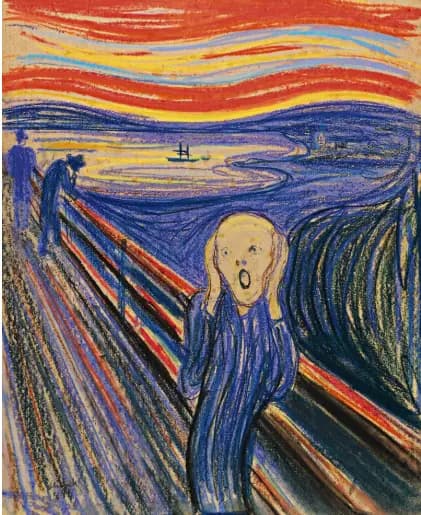
What Is an Anxiety Disorder?
An anxiety disorder is a mental health condition characterised by excessive fear, worry or anxiety that is difficult to manage and interferes with daily functioning.
Unlike occasional anxiety, which usually occurs in response to a specific situation, an anxiety disorder may persist even when there is no immediate danger. A person may worry constantly about health, family, finances, academic performance or future events.
Anxiety disorders can affect people of different ages and backgrounds. With appropriate assessment and treatment, many people can manage their symptoms and improve their daily lives.
What Is the Difference Between Fear and Anxiety?
Fear and anxiety are closely related, but they are not exactly the same.
Fear is generally a response to an immediate or perceived threat. For example, seeing a snake suddenly may trigger an immediate fear response.
Anxiety, on the other hand, is often associated with the anticipation of a possible future threat or an uncertain situation.
For example, a person may think:
- What if I fail my examination?
- What if something happens to my family?
- What if my health becomes worse?
- What if I make a mistake at work?
These thoughts may trigger physical and emotional reactions even when the feared event has not occurred.
Although fear and anxiety are natural responses, persistent and excessive anxiety may require professional attention.
What Happens in the Body During Anxiety?
When the brain detects a possible threat, it can activate the body's natural alarm system, commonly known as the fight-or-flight response.
This response prepares the body to react to danger. The heart may beat faster, breathing may become quicker, muscles may tighten and sweating may increase.
These physical changes can be helpful when facing an actual threat. However, in an anxiety disorder, the body's alarm system may become activated frequently or intensely, even when there is no immediate physical danger.
As a result, a person may experience physical discomfort alongside persistent worry, fear or restlessness.
Common Symptoms of Anxiety Disorder
Anxiety disorder symptoms can vary from person to person. Some people experience primarily emotional symptoms, while others experience noticeable physical symptoms. Many experience both.
1. Mental and Emotional Symptoms
Common psychological symptoms of anxiety include:
- Excessive or persistent worrying
- Difficulty controlling anxious thoughts
- Fear that something bad will happen
- Feeling restless or unable to relax
- Difficulty concentrating
- Irritability
- Constantly anticipating possible problems
- Feeling overwhelmed by uncertainty
- Repeatedly thinking about worst-case scenarios
These symptoms may affect a person's confidence, decision-making abilities and ability to manage everyday responsibilities.
2. Physical Symptoms of Anxiety
Anxiety can also produce physical symptoms, including:
- Rapid heartbeat or palpitations
- Sweating
- Trembling or shaking
- Muscle tension
- Dizziness or light-headedness
- Headaches
- Shortness of breath
- Chest discomfort
- Stomach problems
- Nausea
- Fatigue or weakness
- Difficulty falling or staying asleep
Not everyone experiences all these symptoms. Their severity and frequency may also differ.
Important: Physical symptoms should not automatically be attributed to anxiety. New, severe or concerning symptoms, particularly chest pain, severe breathlessness or fainting, may require urgent medical evaluation.
What Are the Different Types of Anxiety Disorders?
Anxiety disorders are not all the same. Each type involves particular patterns of fear, worry or avoidance.
1. Generalized Anxiety Disorder (GAD)
Generalized anxiety disorder involves excessive and difficult-to-control worry about different areas of everyday life.
A person with GAD may worry repeatedly about:
- Health and physical well-being
- Family and relationships
- Money and financial security
- Work and professional responsibilities
- Studies and examinations
- Future events and uncertainties
The worrying may continue even when there is no clear reason for concern. It can also be accompanied by restlessness, fatigue, muscle tension, irritability, difficulty concentrating and sleep disturbances.
2. Panic Disorder
Panic disorder involves recurrent, unexpected panic attacks and ongoing concern about experiencing further attacks or changes in behaviour related to them.
A panic attack is a sudden episode of intense fear or discomfort that may occur with or without an obvious trigger.
During a panic attack, a person may experience:
- A very rapid heartbeat
- Breathlessness
- Chest discomfort
- Sweating
- Trembling
- Dizziness
- A feeling of losing control
- Fear of dying
These symptoms can feel frightening and may resemble those of certain physical illnesses. However, not every panic attack means a person has panic disorder. A qualified healthcare professional can assess the symptoms and determine the appropriate diagnosis.
3. Phobias
A phobia involves an intense and persistent fear of a particular object, animal, activity or situation that is disproportionate to the actual danger.
Examples include fear of:
- Heights
- Spiders or insects
- Blood or injections
- Flying
- Enclosed spaces
- Certain animals
A person with a phobia may avoid the feared object or situation altogether. This avoidance can interfere with daily activities, travel, work or social interactions.
4. Social Anxiety Disorder
Social anxiety disorder involves an intense fear of being judged, embarrassed, criticised or negatively evaluated by others.
A person may feel particularly anxious about:
- Speaking in front of an audience
- Meeting unfamiliar people
- Answering questions in class
- Eating in front of others
- Attending social gatherings
- Speaking to people in positions of authority
This fear may lead to avoidance of social situations, even when the person wants to participate. Social anxiety disorder is more than ordinary shyness when the fear causes significant distress or disrupts daily life.
5. Separation Anxiety Disorder
Separation anxiety disorder involves excessive fear or worry about being separated from a person to whom someone is strongly attached.
Although it is commonly recognised in children, it can also occur in adults.
For example, a child may become extremely distressed when a parent leaves, while an adult may experience intense worry about being separated from a partner or family member.
The anxiety may be associated with persistent concerns that something harmful will happen to the loved one.
What Causes Anxiety Disorders?
There is usually no single cause of an anxiety disorder. Several biological, psychological and environmental factors may contribute to its development.
1. Genetic Factors
Anxiety disorders can sometimes run in families. Having a close relative with an anxiety disorder may increase a person's risk, although family history does not mean that someone will necessarily develop the condition.
2. Brain and Body Factors
The brain contains interconnected systems involved in processing threats, regulating emotions and responding to stress. Differences in how these systems function may contribute to anxiety disorders.
The body's stress-response mechanisms can also influence how a person experiences fear and anxiety.
3. Personality and Temperament
Some people may be more sensitive to uncertainty, stress or perceived threats. This can influence how they respond to challenging situations, although personality alone does not determine whether someone will develop an anxiety disorder.
4. Stressful Life Experiences
Certain experiences may trigger anxiety or worsen existing symptoms.
These may include:
- Relationship difficulties
- Financial problems
- Serious illness
- Loss of a loved one
- Academic or workplace pressure
- Major life changes
- Traumatic experiences
Not everyone who experiences stress develops an anxiety disorder. Individual circumstances and other risk factors can influence how a person responds.
5. Medical Conditions and Substances
Some medical conditions, medicines and substances can cause or worsen symptoms that resemble anxiety.
Excessive caffeine consumption, certain drugs, alcohol withdrawal and some physical health conditions may contribute to symptoms such as a racing heart, trembling or restlessness.
A medical assessment can help identify possible underlying causes and determine whether additional evaluation is needed.
Is Anxiety Disorder a Sign of Weakness?
No. Anxiety disorder is not a sign of weakness, poor character or a lack of willpower.
A person can be intelligent, successful, responsible and emotionally resilient while experiencing an anxiety disorder. Mental health conditions can affect people regardless of their achievements, personality or background.
Anxiety involves a combination of biological, psychological and environmental factors. Blaming someone for their symptoms can increase feelings of shame and make it harder for them to seek help.
Understanding, patience and appropriate mental healthcare can make a meaningful difference.
How Can Anxiety Affect Daily Life?
When anxiety becomes severe or persistent, it may affect several aspects of everyday functioning.
Studies: Students may find it difficult to concentrate, prepare for examinations or perform to their ability because of persistent worry and fear of failure.
Work: Employees may struggle with concentration, decision-making, meetings or professional responsibilities.
Relationships: Constant worry, irritability or fear may affect communication and interactions with family members, friends and partners.
Sleep: Anxious thoughts may make it difficult to fall asleep or stay asleep, contributing to tiredness during the day.
Social activities: Some people may avoid gatherings, public places or unfamiliar situations because they fear becoming anxious.
Avoidance can provide temporary relief, but over time it may reinforce fear and make certain situations feel increasingly difficult.
Anxiety and Physical Illness: Understanding the Connection
Anxiety can produce real physical symptoms, which may sometimes create a cycle of fear and discomfort.
For example:
Anxious thought → Faster heartbeat → Fear that something is wrong → Increased anxiety → Even faster heartbeat
When a person interprets normal stress-related physical changes as signs of serious danger, the resulting fear may intensify the symptoms.
However, it is important not to assume that every physical symptom is caused by anxiety. Some medical conditions can produce similar symptoms, and anxiety can also occur alongside physical illnesses.
Seek appropriate medical evaluation for new, severe or persistent symptoms. Chest pain, severe breathing difficulties, fainting or other emergency warning signs require urgent attention.
When Should You Consult a Mental Health Professional?
Consider seeking professional help when anxiety becomes persistent, difficult to manage or disruptive to everyday life.
You may benefit from an assessment if:
- Worry feels excessive or difficult to control.
- Anxiety regularly interferes with work or studies.
- Sleep is frequently disturbed.
- You avoid normal activities because of fear.
- Panic attacks occur repeatedly.
- Physical symptoms cause significant distress.
- You rely on alcohol or drugs to cope with anxiety.
- Everyday responsibilities feel increasingly difficult to manage.
A psychiatrist, clinical psychologist or another appropriately qualified healthcare professional can assess your symptoms, consider possible contributing factors and recommend suitable care.
You do not need to wait until anxiety becomes overwhelming before seeking help.
How Are Anxiety Disorders Treated?
Anxiety disorders are treatable, and the appropriate approach depends on the type of anxiety, the severity of symptoms, personal circumstances and other health considerations.
Common treatment options include the following.
1. Psychotherapy
Psychotherapy, or talking therapy, can help people understand anxiety, recognise unhelpful thought patterns and develop healthier ways to respond to fear and uncertainty.
Cognitive behavioural therapy (CBT) is one of the established psychological treatments for several anxiety disorders. It can help people identify patterns of thinking and behaviour that maintain anxiety and gradually develop more effective coping strategies.
2. Medication
A healthcare professional may recommend medication when appropriate. The choice depends on the diagnosis, symptom severity, medical history and potential side effects.
Medication should be taken under professional supervision. Do not start, stop or change prescribed medication without consulting the prescribing clinician.
3. Healthy Daily Habits
Everyday habits can support mental well-being and complement professional treatment.
Helpful practices may include:
- Maintaining a regular sleep schedule
- Engaging in suitable physical activity
- Reducing excessive caffeine intake
- Practising relaxation or breathing exercises
- Maintaining regular meals
- Staying connected with supportive people
- Setting realistic expectations and manageable goals
These strategies may help with stress management, but they are not a substitute for professional assessment or treatment when an anxiety disorder is present.
How Can Family Members Support Someone with Anxiety?
Family support can play an important role in helping someone manage anxiety. Listening with patience and responding without judgment can help a person feel understood and supported.
Avoid dismissive statements such as:
- "Just stop worrying."
- "You are thinking too much."
- "There is nothing to be afraid of."
Although these statements may be intended to reassure, they can make someone feel misunderstood.
Instead, try saying:
“I understand that you are finding this difficult. I am here to listen, and we can look for the right help together.”
Family members can also encourage professional care, offer practical support and respect the person's feelings without reinforcing avoidance or treating the person as incapable.
Sometimes, simply listening calmly can help someone feel less alone.
Final Thoughts: Understanding Anxiety Is the First Step Towards Recovery
Anxiety is a normal part of human life. However, when it becomes excessive, persistent and disruptive, it may indicate an anxiety disorder that requires professional attention.
Recognising anxiety disorder symptoms, understanding the different types of anxiety disorders and identifying possible causes can help people make informed decisions about their mental health.
Anxiety disorders are real and treatable health conditions. With appropriate treatment, emotional support and healthy coping strategies, many people can learn to manage their symptoms and improve their quality of life.
Understanding anxiety is the first step. Seeking help is the next. Recovery is possible.
If you or someone you care about is struggling with persistent anxiety, consider speaking with a qualified mental health professional.
Frequently Asked Questions
'Medical Disclaimer: This educational article provides general mental health insights and does not replace individualized clinical psychiatric evaluation or therapeutic treatment.'
Related Resources
Anxiety Due to Medical Conditions, Medications and Substance Use: Causes, Symptoms and Treatment
Anxiety can sometimes result from physical illnesses, prescription medications, alcohol, caffeine or substance use. Learn about the common causes, symptoms, diagnosis and treatment options, and when to seek medical help.


Selective Mutism: Symptoms, Causes, Diagnosis and Treatment in Children
Learn about selective mutism in children, including its symptoms, causes, diagnosis and treatment options. Discover how parents and teachers can support children experiencing anxiety-related communication difficulties.

Take the First Step Towards Better Mental Health
Speak with our healthcare team and find the right psychiatric or psychological support tailored to your unique needs.